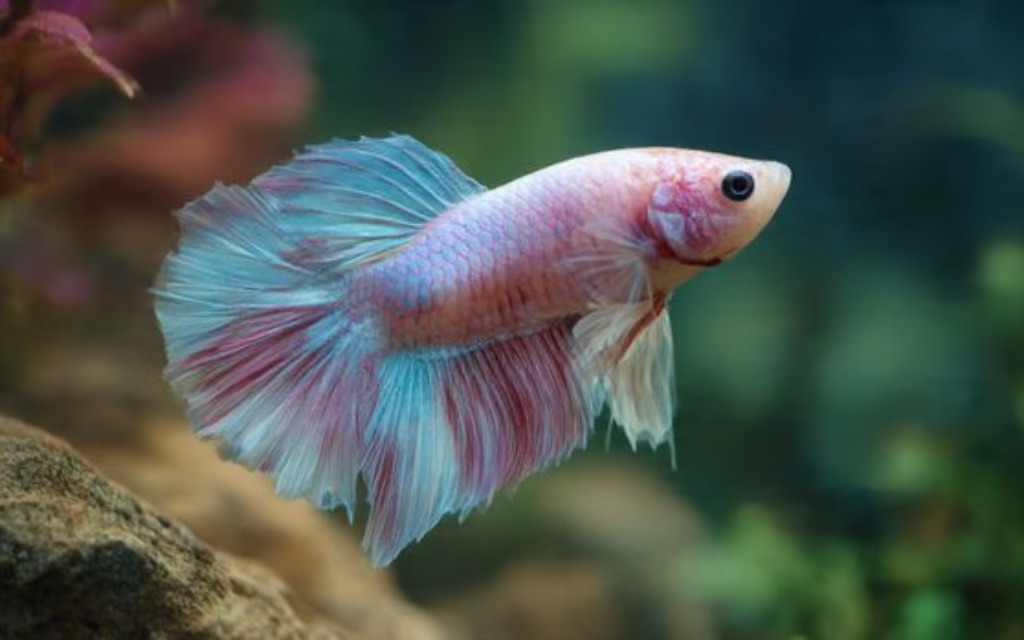
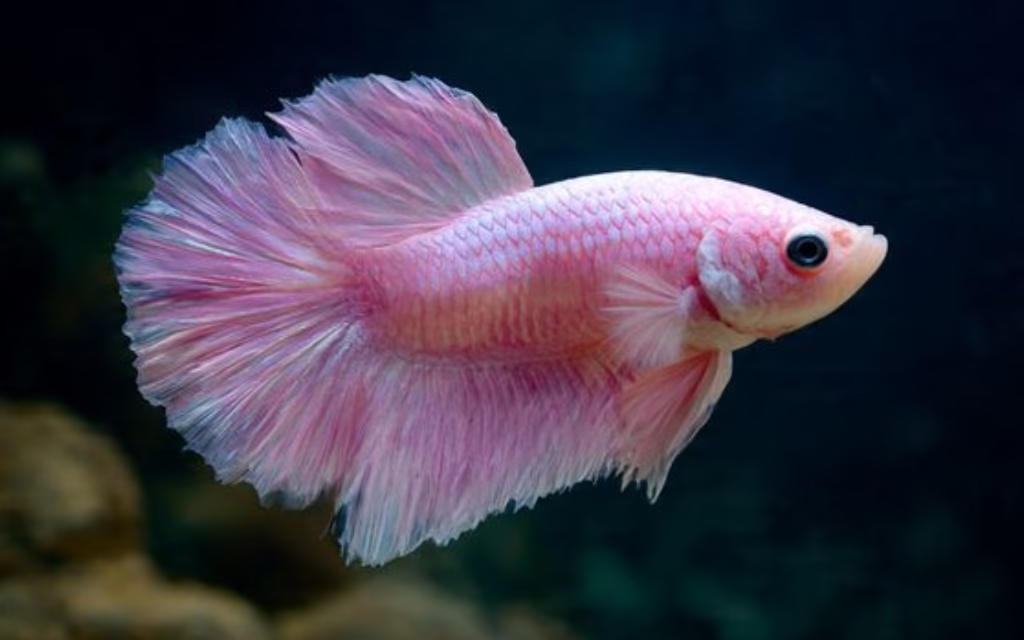
A female betta fish is known for its beautiful color patterns calm personality and simple care requirements which makes it a popular choice for many new aquarium owners. Unlike male bettas the female betta fish has shorter fins and a more peaceful nature allowing her to adapt well to different tank environments. With the right setup and proper routine a female betta fish can live a long active and healthy life in any home aquarium. This guide explains everything you need to know including appearance tank conditions diet behavior and breeding.
Appearance and Characteristics of a Female Betta Fish
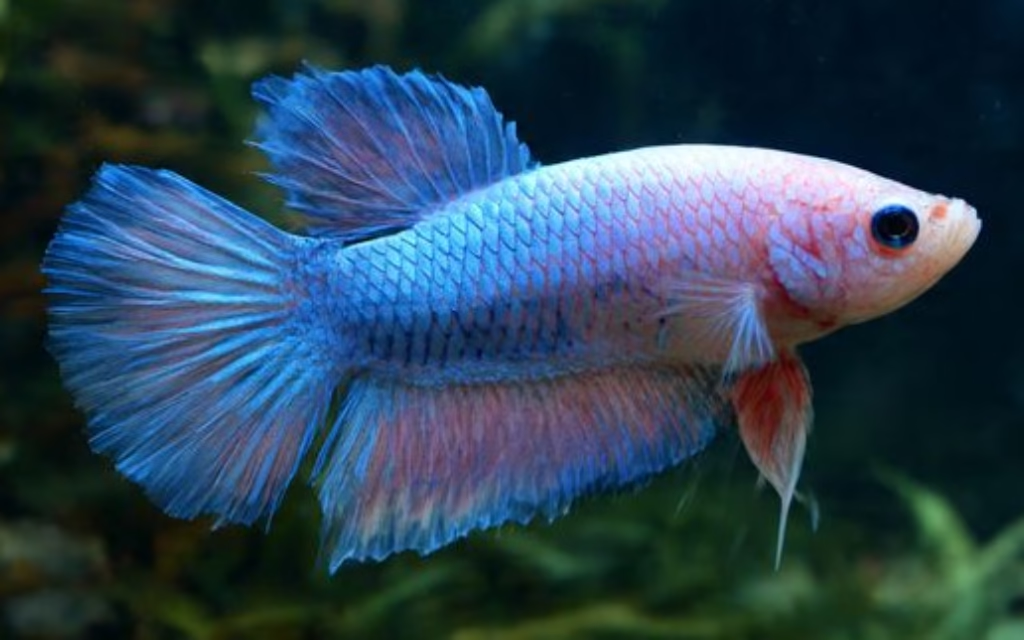
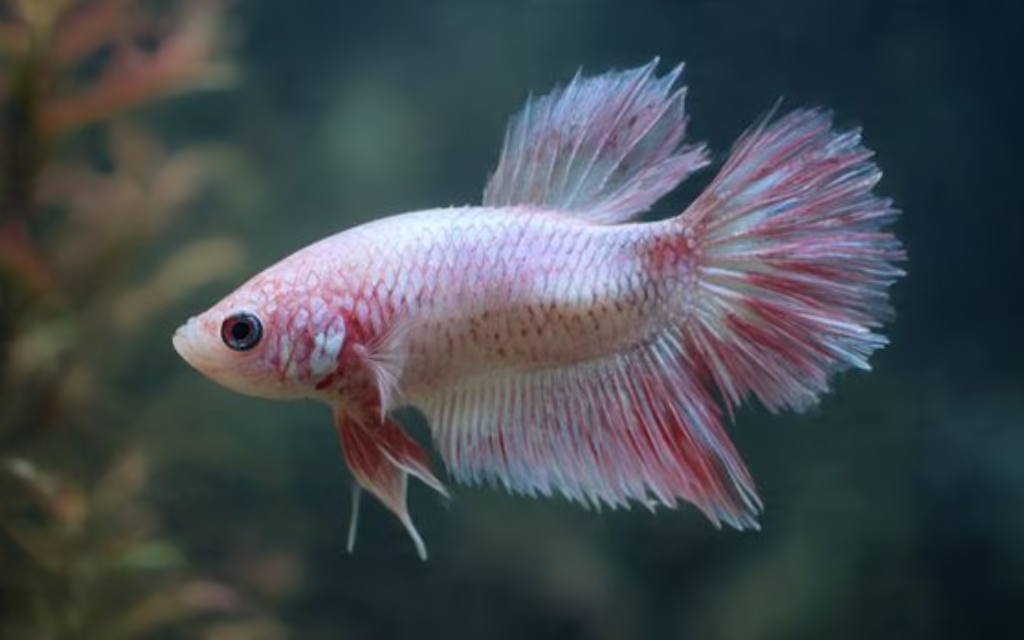
The body shape of a female betta fish is rounder and more compact compared to males giving her better control and faster movement in the water. While her colors are slightly softer than the bright shades seen in male bettas she still displays attractive tones of red blue yellow and turquoise. One of the unique features of a female fish is the presence of a tiny egg spot under the belly which shows that she is capable of producing eggs. Her shorter fins also help prevent fin damage and allow her to swim comfortably even in slightly stronger currents. When relaxed and well cared for the female often becomes more vibrant and playful showing her natural beauty.
Ideal Tank Setup for a Female Betta Fish
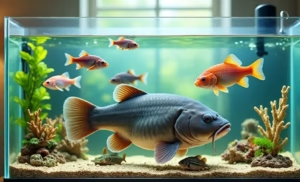
A proper tank setup is very important for the health of a female betta fish. Although people often believe bettas can live in small bowls this environment is not suitable for long term care. A single female fish needs at least a ten gallon tank to swim freely and reduce stress. Warm clean water is important because bettas are tropical fish that require a stable weather range between seventy six and eighty degrees Fahrenheit. The tank should include gentle filtration to keep the water clean without exploring powerful currents that may problems the fish. Plants soft decorations and hiding spots help the fish feel secure and reduce stress which leads to healthier behavior.
Behavior and Temperament of a Female Betta Fish
The sense of a female betta fish is calmer than that of a male betta but she still shows curiosity and a sense of territory. She enjoys researching plants and decorations and often swims around the tank searching for interesting spaces. Although she is less disturb she may still defend her area normally if there are other fish nearby. Some experienced aquarists keep a group called a sorority which is a collection of female bettas living together. However this requires a larger tank many hiding spaces and constant observation because females may establish a ranking order and disagreements can occur.
Diet and Feeding Routine for a Female Betta Fish
Feeding a female betta fish rightly is important because diet directly affects health colour and energy. Bettas are carnivorous fish that need protein rich foods for proper growth and compelate wellness. High range betta pellets frozen foods and live foods are the best choices for daily feeding. A female fish should be fed small amounts once or twice a day to prevent overeating which can cause bloating and digestive problems. Providing a mix of foods helps keep her active and improves her natural colour patterns. Some best food options include
• Frozen bloodworms
• High quality protein pellets
These foods supply essential nutrients that keep the female betta fish stronger strong and healthy.
Breeding Information and Requirements for a Female Betta Fish
Breeding a female betta fish should only be attempted by knowledgeable fish keepers because it requires specific conditions and careful timing. When preparing the female for breeding she should be healthy and well fed for several weeks. A ready female betta fish shows vertical stripes and a clear egg spot under her belly. The male creates a bubble nest at the water surface and when both fish are introduced for breeding the male wraps around the female to help her release eggs. Once the eggs are released the male collects them and places them in the nest. The female betta fish must be removed immediately after the process because the male becomes protective and may become aggressive.
Tank Mates Suitable for a Female Betta Fish
Choosing tank mates for a female betta fish must be done carefully because even though she is calmer than the male she still has territorial instincts. Peaceful fast swimming and nonfin nipping species are the safest companions for her. The tank should be large enough to provide enough space for all fish to avoid conflicts. Good tank mates usually do not resemble bettas in shape or color and they stay away from the bettas preferred areas. When adding new fish always watch the behavior of your female betta fish to make sure she is not stressed or threatened. Each fish has a unique personality so adjustments may be needed depending on individual behavior.
Health and Lifespan of a Female Betta Fish
The average lifespan of a female betta fish is three to five years when giving with proper care and stable water conditions. daily water changes are normally important because they remove harmful waste and prevent diseases. Warm clean water quailty temperature and a balanced diet help maintain the bettas immune system. Signs of illness include faded color lack of movement clamped fins or refusal to eat. reacted your female betta fish regulraly helps you identify health problems early and take system before conditions worsen. A stress free environment with the right tank setup greatly improves her chances of living a long healthy life.
Conclusion
A female betta fish is an excellent choice for aquarium lovers who want a beautiful active and easy to care for fish. With proper tank conditions gentle filtration quality food and stable temperature she can thrive and display her natural beauty every day. Understanding her behavior diet and health needs allows you to create a comfortable environment where your female betta fish can live happily.Whether kept alone or with carefully selected tank mates she continues to bring color interest and charm to any aquarium setup.